SMART HEALTHCARE SOLUTIONS: MODERNIZING PATIENT CARE
In an era of rapid technological advancement, the healthcare sector is continuously innovating to enhance efficiency and the quality of patient care. One of the most advanced solutions today is the application of autonomous delivery robots, which help automate many critical workflows inside hospitals. With the support of Artificial Intelligence (AI), the Internet of Things (IoT), and Big Data, service robots provide practical benefits such as workflow optimization, reducing workloads for medical personnel, and improving accuracy in daily operations.
Medical robots are revolutionizing healthcare by improving precision, efficiency, and safety. From surgery to rehabilitation, robots are now integrated across various aspects of healthcare, delivering value to both patients and clinical staff.
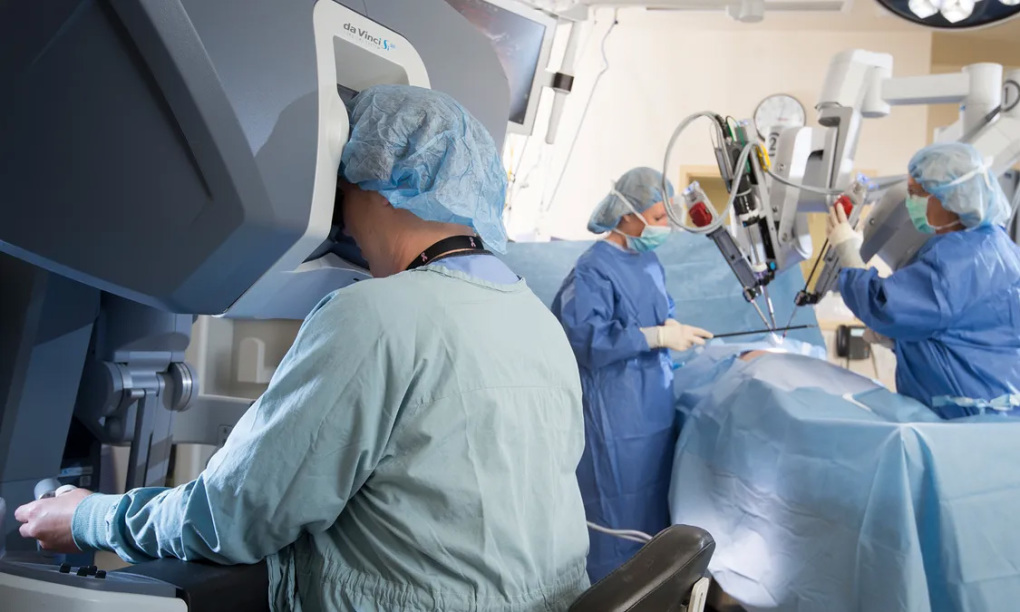
Trends in Automation Adoption in Healthcare
Medical Records & Data Management
In healthcare workflows, reading and analyzing medical records is a common task. Data management is one of the most widely used AI applications. Robots collect, store, restructure, and track data to deliver information faster, more consistently, and more efficiently.
Performing Specialized Clinical Tasks
Analyzing scans, CT imaging, entering data, and other diagnostic tasks can be completed faster and more accurately by robots. Cardiology and radiology involve large volumes of data that require significant time. In the future, specialists in these fields will be relieved from repetitive data-heavy tasks, allowing them to focus on complex cases where human oversight remains essential.
Digital Consultation
Many AI-powered applications can now provide medical advice based on personal medical history and standard clinical knowledge. Patients input their symptoms, and the app uses voice recognition to compare them with existing disease databases, then provides suggested actions aligned with the user’s medical profile.
Treatment Development
AI-driven systems analyze patient data, notes, reports, research, and clinical expertise to recommend optimal treatment plans.
Virtual Nursing
Digital nurses can monitor patient conditions, follow treatment progress, and support physician appointments.
Pharmaceutical Management
AI-integrated apps help verify whether patients take prescribed medication correctly. Smartphone cameras paired with AI confirm dosage adherence and help manage patient conditions—especially important for patients with chronic illnesses who struggle with compliance.
Precision Medicine
Genetics and genomics help identify disease-related mutations through DNA data. With AI support, body scans can detect cancer and blood disorders early, and predict health risks based on personal genetic information.
Health Monitoring
Wearable devices are increasingly popular, tracking heart rate and activity levels. They alert users to exercise more and share data with physicians for better insight into patient habits.
Healthcare System Analysis
AI can highlight treatment errors, workflow inefficiencies, and unnecessary hospital admissions. While AI brings undeniable benefits, every innovation comes with both advantages and potential risks—especially in sensitive sectors like healthcare.

Robotics Trends in Healthcare Applications
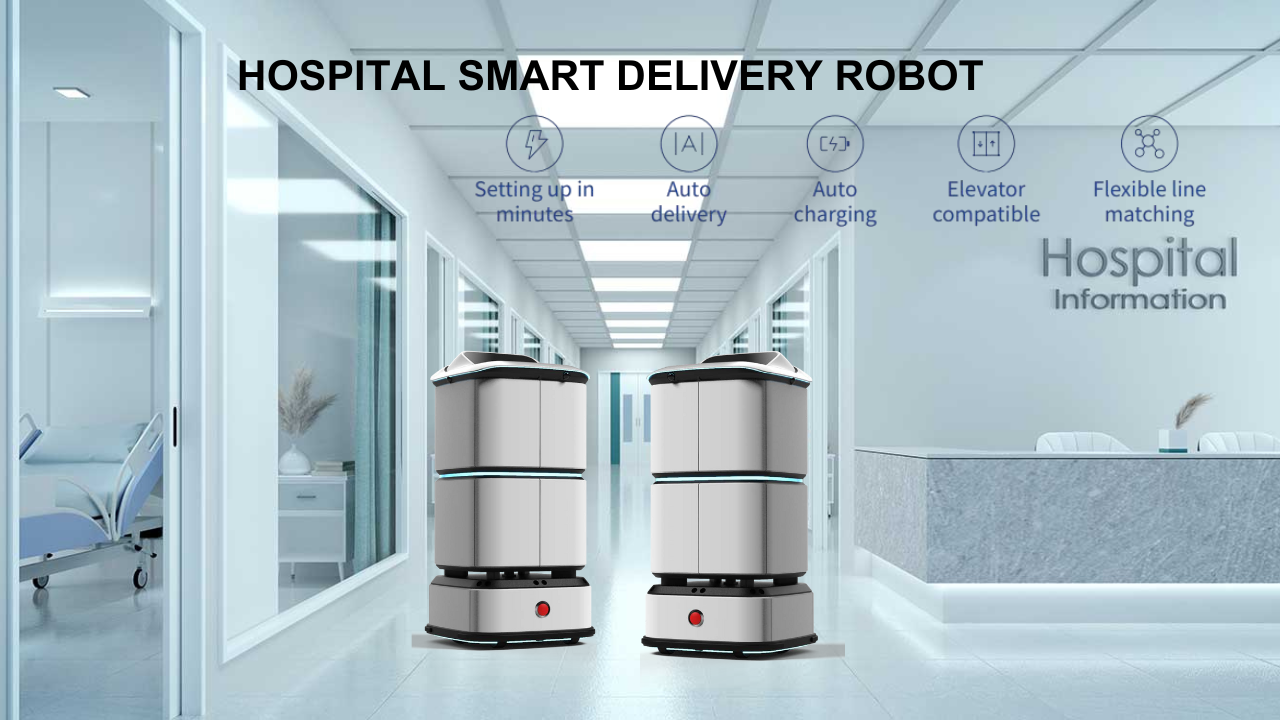
Robots are becoming increasingly common and rapidly evolving in medical environments, especially for tasks requiring high precision, patient care support, and hospital workflow optimization. Key trends include:
COBOT (Collaborative Robots)
One major advancement is surgical robotics, particularly systems like the da Vinci Surgical System. These robots help physicians perform minimally invasive procedures with enhanced precision, reduced recovery time, and improved outcomes. They are used in urology, cardiology, oncology, and more.
Service Robots
Robots support patient care—especially for the elderly or patients requiring special assistance. They can help with mobility, medication reminders, communication, appointment guidance, and patient navigation. With AI, they interact naturally and help reduce patient stress.
Transport & Logistics Robots
Automated delivery robots transport medication, lab samples, and medical supplies across hospital departments. They reduce manual workload, eliminate delays, minimize errors, and lower infection risks—particularly in high-risk zones.
Diagnostic Robots
Robots and AI assist physicians in analyzing medical images such as X-rays, MRIs, and CT scans. Systems like IBM Watson Health support clinical decision-making through data-driven insights.
Rehabilitation Robots
Robotic exoskeletons and rehabilitation robots help patients regain mobility after surgery or trauma. They replicate natural movement and accelerate recovery.
Telemedicine Robots
Robots enable remote consultations, allowing doctors to assess and treat patients in remote areas. They may be used in remote surgery assistance, virtual ward rounds, and remote diagnostics.
Cleaning & Disinfection Robots
Robots enhance hospital hygiene by disinfecting and sterilizing key areas, reducing infection risks and maintaining safe environments.
These robotic innovations not only bring higher efficiency to hospital management but also shape a promising future where technology and healthcare integrate seamlessly—improving treatment quality and creating safer, more convenient environments for both patients and medical personnel.