The rapid growth of e-commerce, combined with increasing pressure for faster and more cost-efficient delivery, has made last-mile logistics the most challenging part of the entire supply chain. It is also the most expensive and hardest to optimize.
In this context, delivery robots are emerging as a new direction—not only as a technological advancement but as a long-term operational strategy. However, successful implementation requires more than understanding the product; businesses must also adopt the right go-to-market approach.
What are delivery robots?
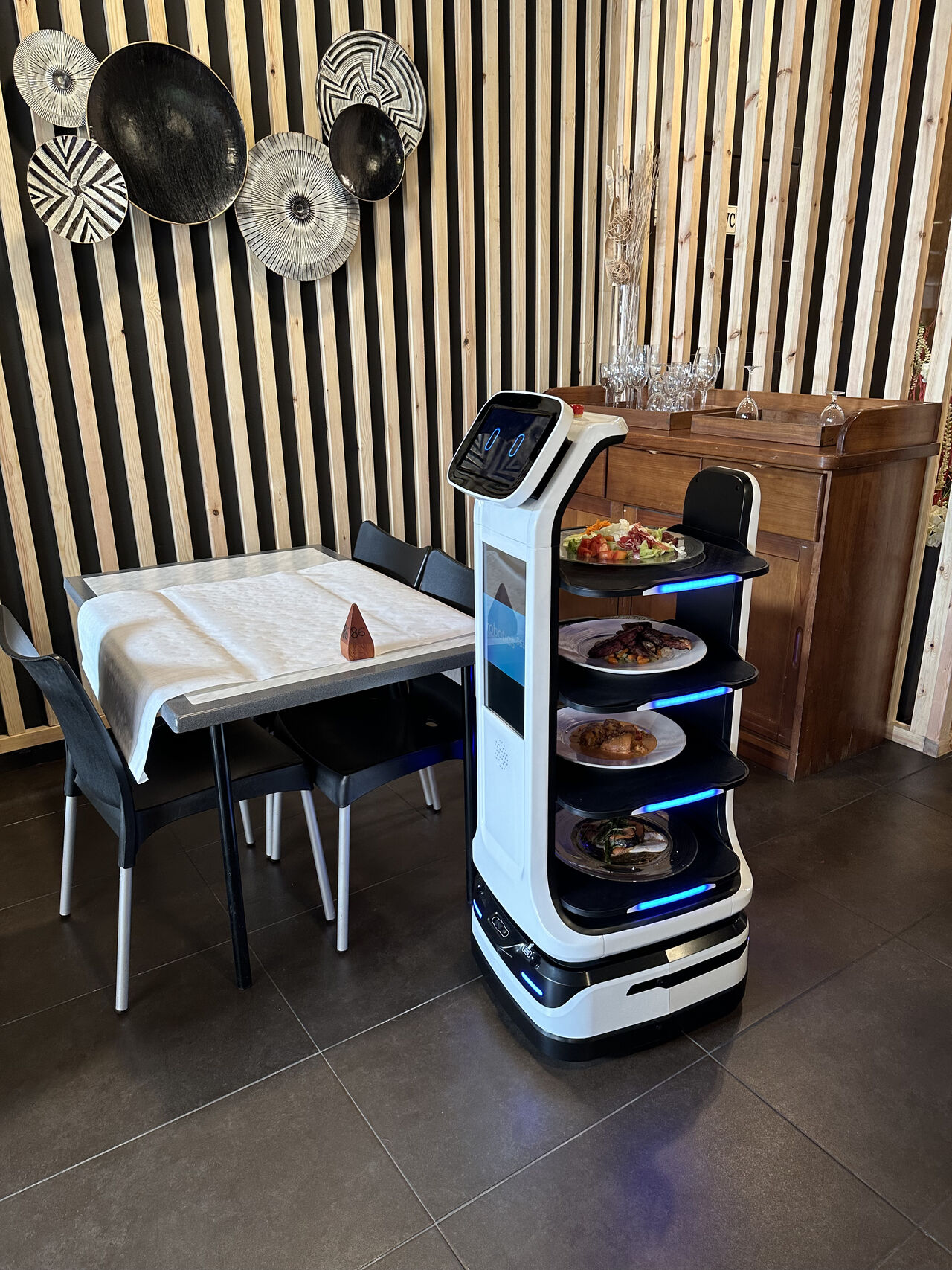
Delivery robots are autonomous devices capable of transporting goods from one location to another without direct human intervention. Equipped with sensors, cameras, GPS, and intelligent navigation systems, they can move safely, avoid obstacles, and interact with users.
Why are delivery robots becoming a major trend?
Last-mile delivery can account for up to 40–50% of total logistics costs. At the same time, the demand for faster and more flexible delivery continues to grow, placing increasing pressure on operations.
- Rising labor costs
- Difficulty in maintaining service quality
- Operational efficiency heavily dependent on human factors
Delivery robots directly address these bottlenecks by automating and standardizing the delivery process.
Benefits and challenges
Benefits:
- Improved efficiency: 24/7 continuous operation
- Cost reduction: less dependency on human labor
- Consistent service quality: standardized processes
- Eco-friendly: powered by electricity, reducing emissions
Challenges:
- Regulatory and legal barriers
- Complex operating environments (traffic, weather, infrastructure)
- User adoption and behavioral adaptation
Go-to-market strategy for delivery robots
1. Start with controlled environments
- Gated communities
- Industrial zones
- Hospitals, campuses, resorts
2. Focus on specific use cases
- Food delivery within closed areas
- Internal document or goods transportation
- Delivery within large facilities
3. Optimize user experience
- Easy-to-use applications
- Clear delivery and pickup process
- Simple and fast interaction
4. Scale step by step
Start with pilot deployment → optimize → expand, instead of large-scale investment from the beginning.
Product offering & revenue models
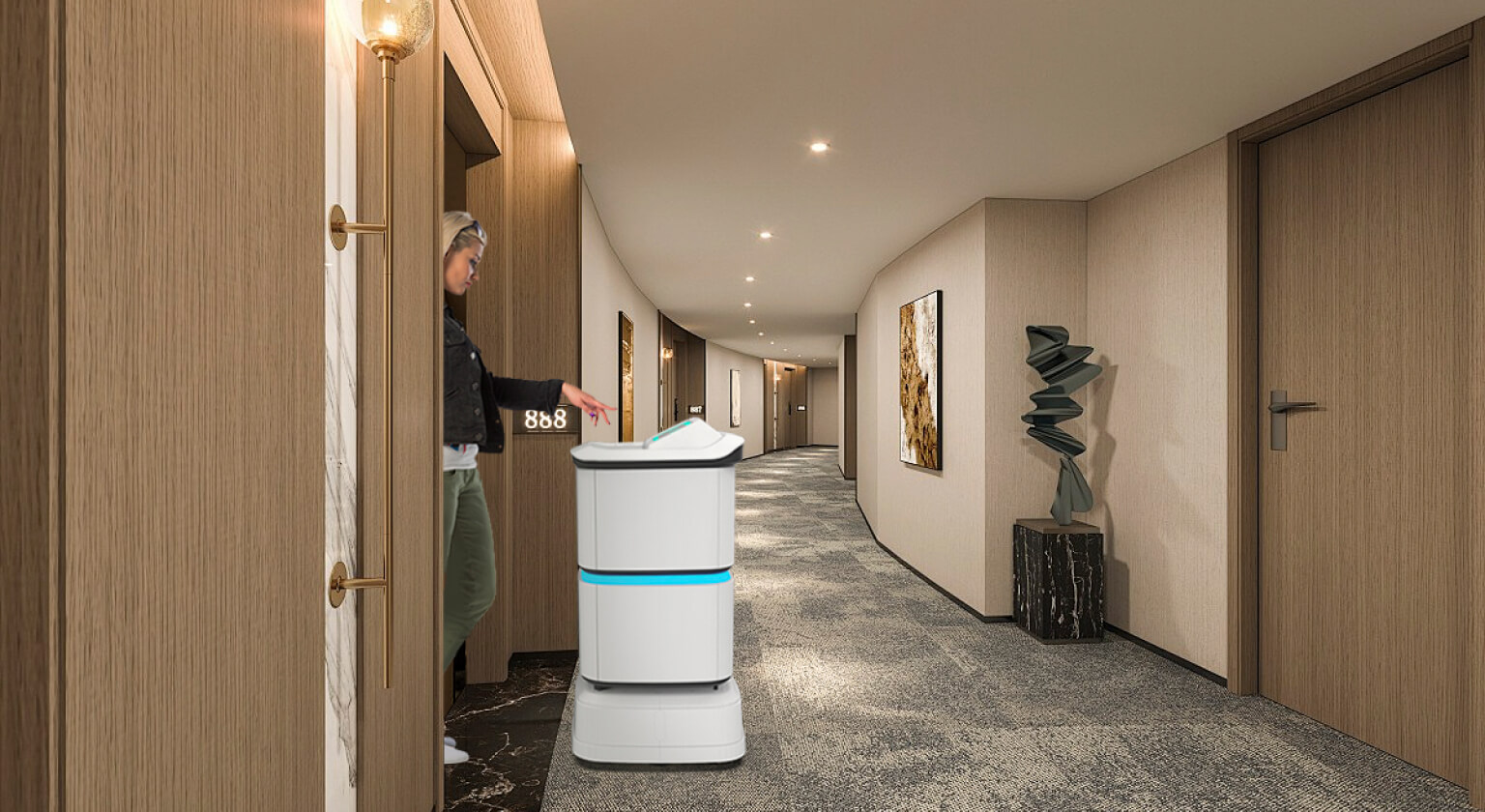
Core features:
- Autonomous navigation and obstacle avoidance
- Secure storage compartment
- Real-time order tracking
- Interaction via app or voice
Industry applications:
- Healthcare: medicine and sample delivery
- Hospitality: food delivery
- Retail: in-store and community delivery
Revenue models:
- Pay-per-delivery
- Monthly subscription
- B2B bundled solution (robot + software + maintenance)
Conclusion
Delivery robots are not just a technological product—they represent a strategic approach to optimizing logistics operations in the future. Businesses that adopt them early and implement them correctly will gain a significant competitive advantage.
More importantly, success does not come from owning the technology, but from applying it to the right operational problem.
If you are considering implementing delivery robots, PAN can help assess your needs and design a suitable deployment roadmap.
PAN TRADING JOINT STOCK COMPANY
📍 142 B2 Street, Sala Urban Area, Ho Chi Minh City, Vietnam
📞 (+84) 28 3840 2222
🌐 https://panrobotics.vn
📩 contact@pantrading.vn