As technology continues to integrate into every aspect of operations, smart reception robots are no longer a luxury but are becoming a practical solution for modern businesses. With the ability to automatically greet, guide, and process information, reception robots help reduce costs, improve efficiency, and deliver a professional experience from the very first touchpoint.
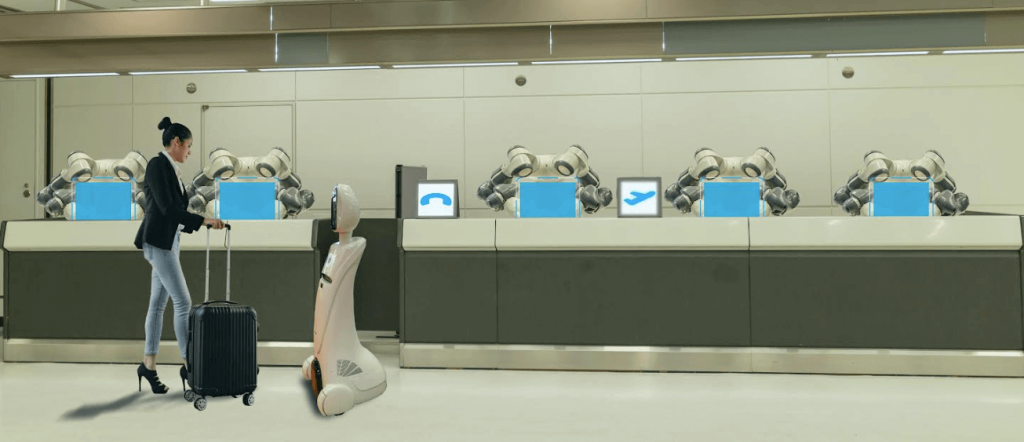
However, like any technology, reception robots come with potential risks that need to be managed properly. To maximize investment efficiency, businesses must also understand how to measure performance when deploying robots into their operational systems.
Key Benefits of Smart Reception Robots
- Automated and personalized greetings: Recognizes visitors, communicates naturally, and supports multiple languages.
- Smart navigation and guidance: Uses cameras, internal mapping, and AI to guide visitors accurately.
- Fast and seamless processing: Handles registration, badge printing, queue management, and appointment booking efficiently.
- Marketing and communication display: Displays videos, banners, promotions, and announcements on a large touchscreen.
Risks Businesses Should Be Aware Of
1. Technical failures or power issues
Despite being intelligent systems, reception robots are still electronic devices and may encounter issues such as:
- Network disconnection or power outages causing service interruptions.
- Software or hardware failures (camera, display, sensors) affecting accuracy and navigation.

Recommended solutions:
- Use backup power systems (UPS) and stable electrical infrastructure.
- Enable automatic system restart in case of failure.
- Establish regular maintenance plans and fast technical support.
2. Data security risks
Reception robots may collect user data such as names, images, and appointment details. Without proper control, this may lead to data leakage, especially in sensitive sectors like healthcare, finance, or government offices.
Recommended solutions:
- Encrypt all collected data.
- Define clear access control for system administrators.
- Apply security standards such as ISO 27001 or GDPR where applicable.
3. Limitations in handling unexpected situations
Robots may struggle in complex real-world situations such as:
- Visitors speaking with strong local accents
- Requests outside programmed scenarios
- Noisy or crowded environments
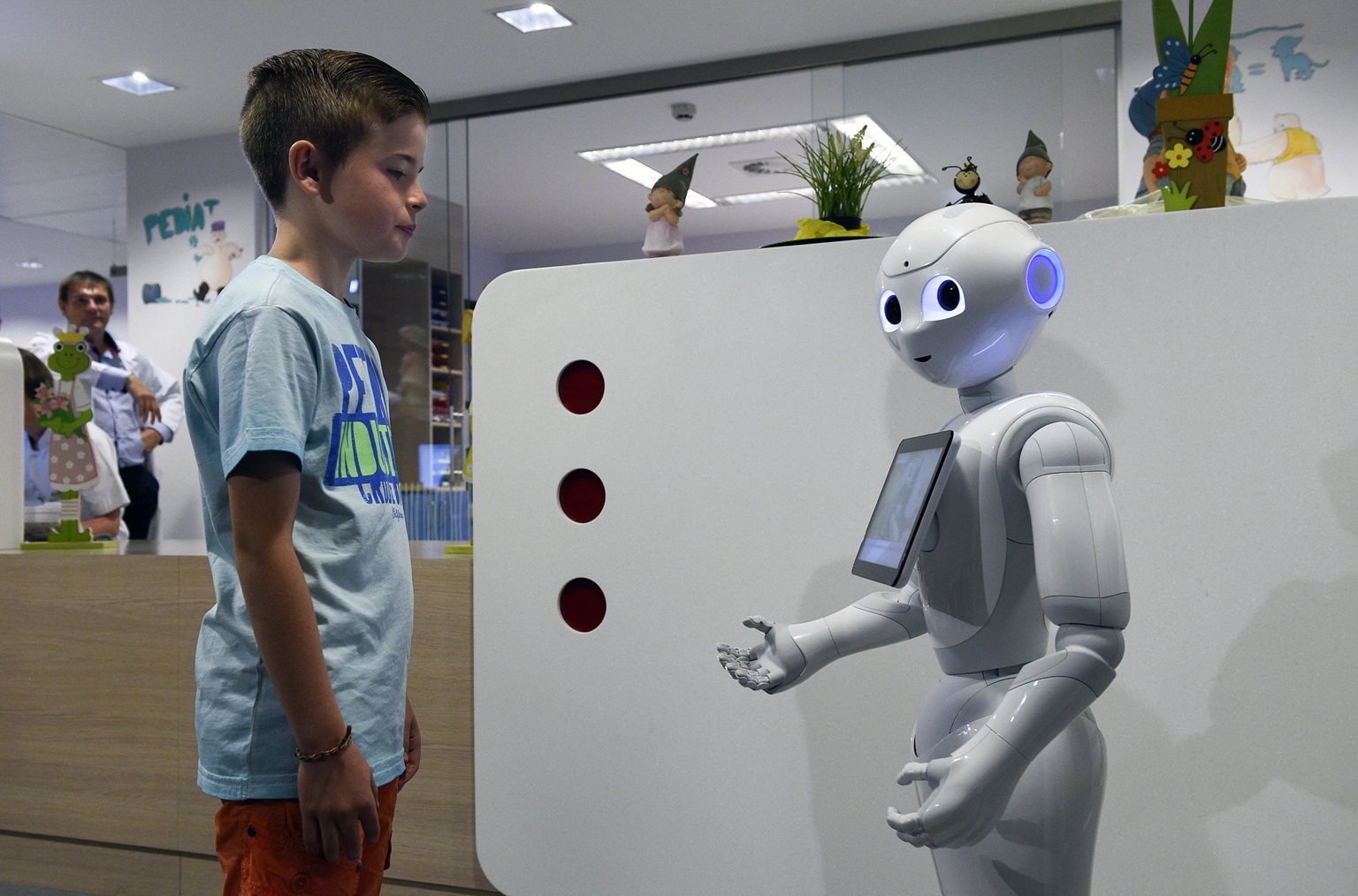
Recommended solutions:
- Combine robots with remote human support when needed.
- Continuously improve interaction scenarios using AI learning.
4. Hidden maintenance and operational costs
While initial investment may seem reasonable, businesses should consider ongoing costs such as maintenance, software updates, and system management to ensure long-term effectiveness.
How to Measure Performance (KPIs)
1. Operational KPIs
- Average service time per visitor
- Number of visitors served per day
- Error reduction rate
2. Customer Experience
- Customer satisfaction levels
- Positive feedback rate
3. Cost Optimization
- Reduction in front desk labor costs
- Staff reallocation efficiency
4. Scalability
- Ability to scale across locations
- Robot learning and improvement capability
Conclusion
Smart reception robots are a powerful solution to enhance customer experience and optimize operations. Proper implementation is the key factor that determines the return on investment.
Experience Advanced AI Reception Robots Today
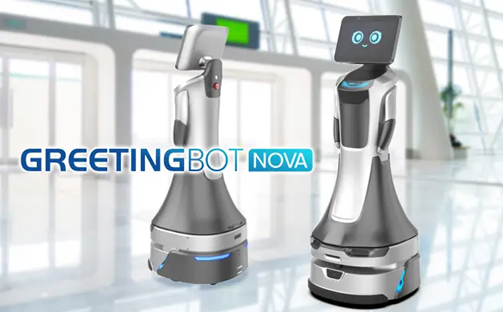
GreetingBot Nova is a next-generation AI reception robot that supports multiple languages, smart navigation, and seamless integration with operational systems.
CÔNG TY CỔ PHẦN THƯƠNG MẠI PAN
📍 142 đường B2, Khu đô thị Sala, TP.HCM
📞 (+84) 28 3840 2222
🌐 https://panrobotics.vn
📩 contact@pantrading.vn